“Imagine a tiny rock outcrop, merely 50 square meters,
rising above the deep blue waters
in the middle of the Gulf of Thailand so isolated
that most people don’t even know it exists.”
To many, it might seem like just a small dot on a map. Though for a diver like me, “Koh Losin” is an underwater paradise featuring a seascape unlike anywhere else on Earth.
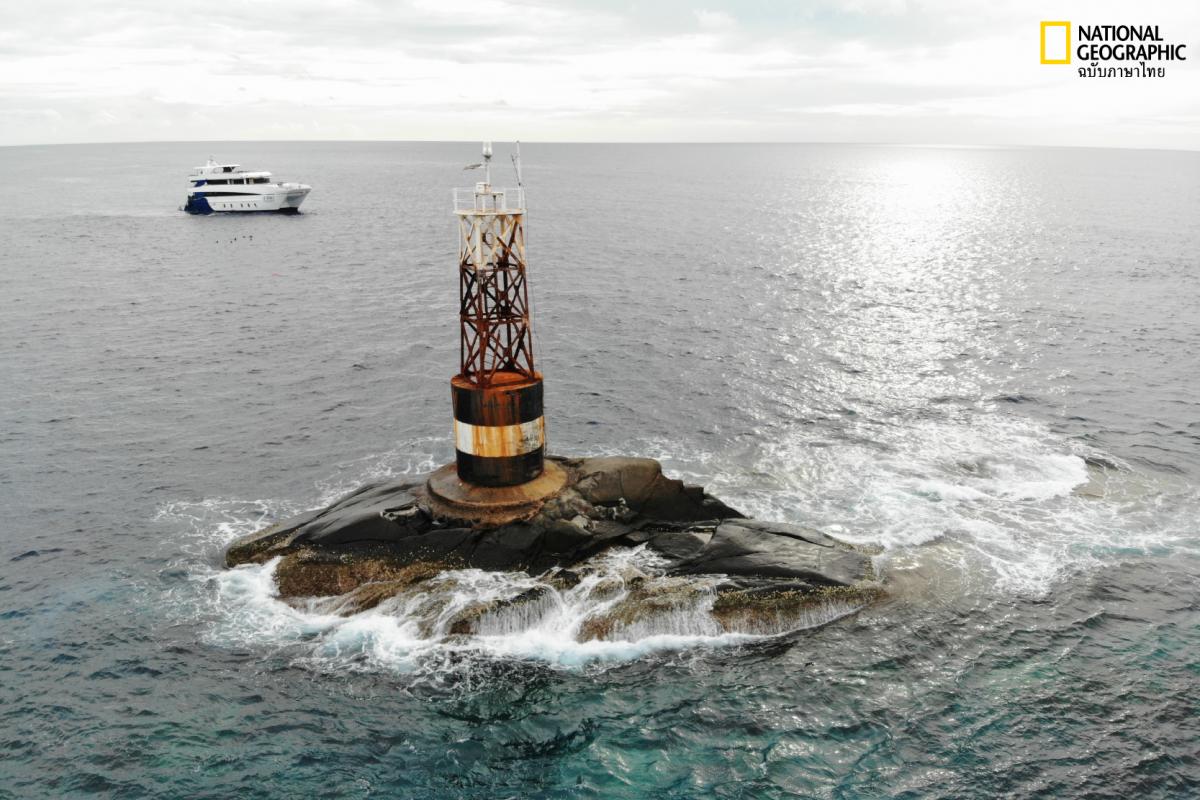
Koh Losin is the smallest limestone islet in Thailand, located in Ban Nam Bo Subdistrict, Panare District, Pattani Province. Situated about 80 kilometers offshore near the Thai-Malaysia border, a passing glance from a boat might make you think it is nothing but a small light house. If you dive beneath the surface, however, you will discover one of Thailand’s invaluable oceanographic treasures.
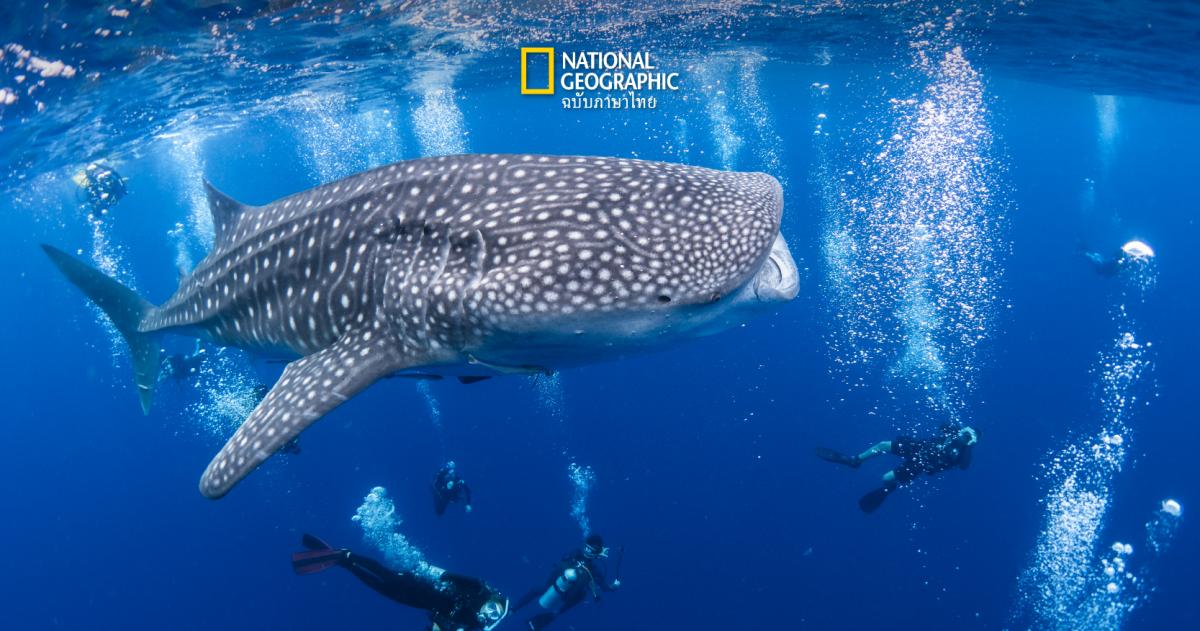
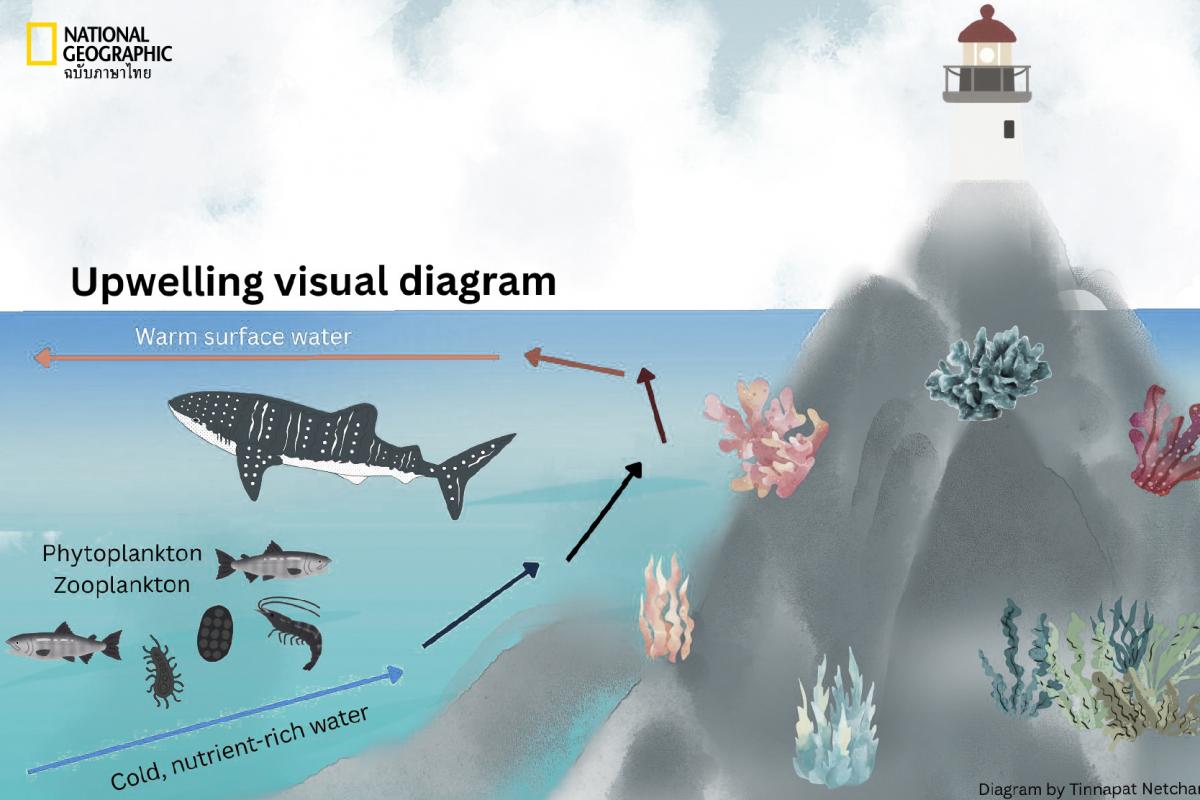
To me, this islet is like the “Oasis of the Gulf of Thailand.” Its richness stems from a unique underwater topography: an isolated limestone pinnacle rising sharply from the ocean floor. This forms a natural barrier against deep-sea currents, triggering a process known as “upwelling,” which carries nutrient-rich water from the depths to the surface. These nutrients nourish a thriving reef ecosystem with immense biodiversity, turning it into a gathering spot for “giants of the sea” like whale sharks, which stop by to feed and visit cleaning stations. It is no surprise that my fellow divers and I can encounter two or three of them at the same time.
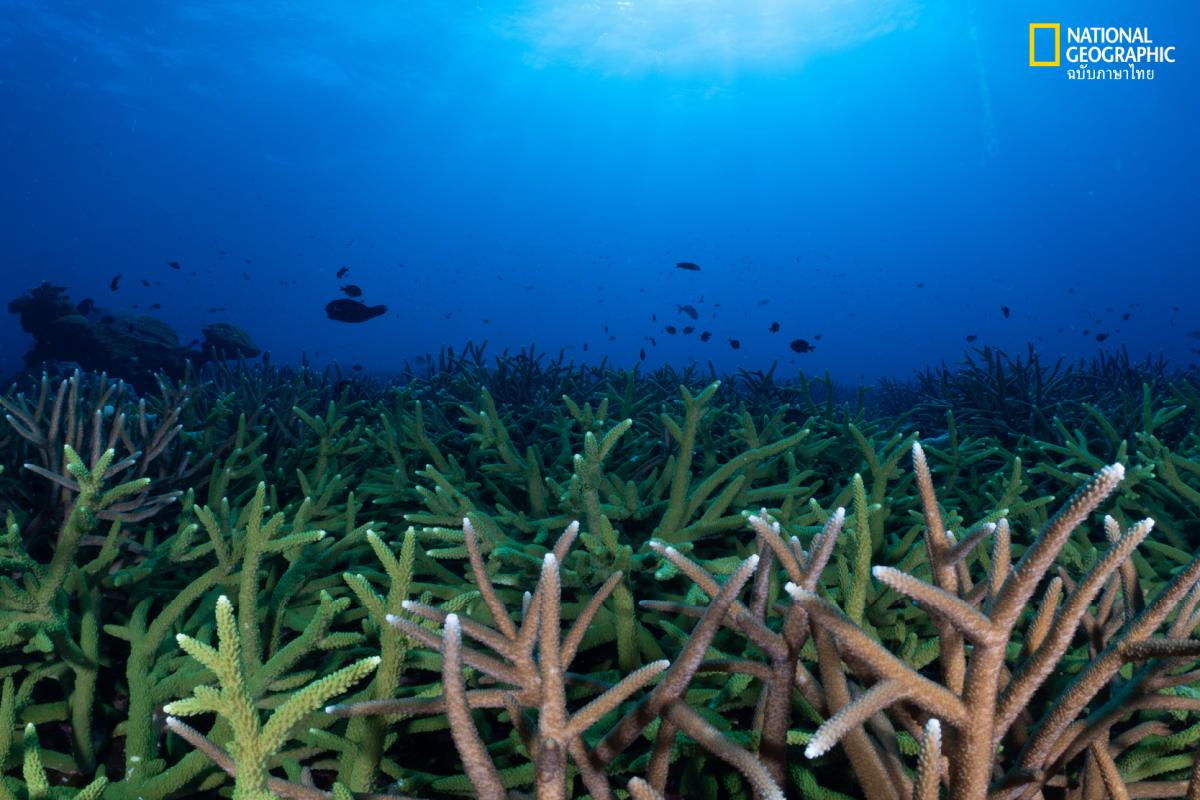
Beyond the whale sharks, another charm that made me fall in love with Koh Losin is its signature deep-blue water, so clear that visibility exceeds 30 meters. This clarity opens up breathtaking views of endless fields of staghorn coral (Acropora). And as the sun dips below the horizon, these waters come alive with sea slugs showcasing themselves throughout the dark.
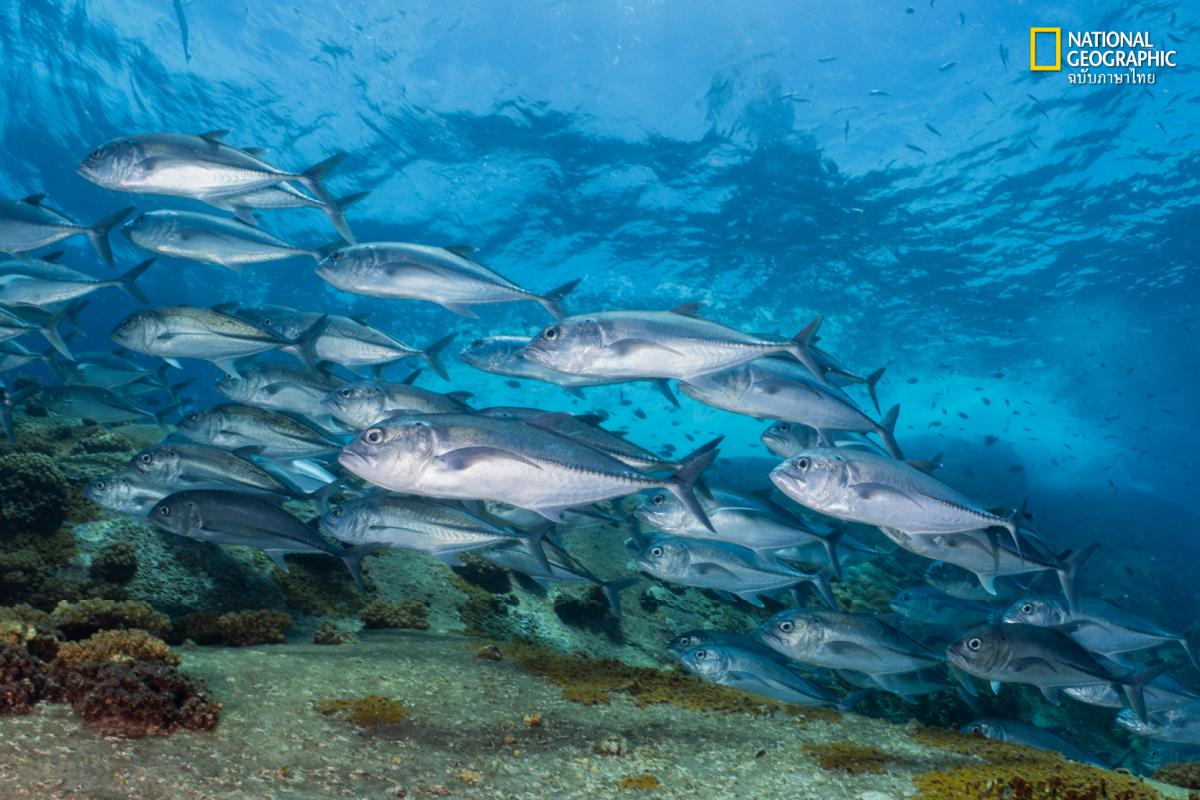
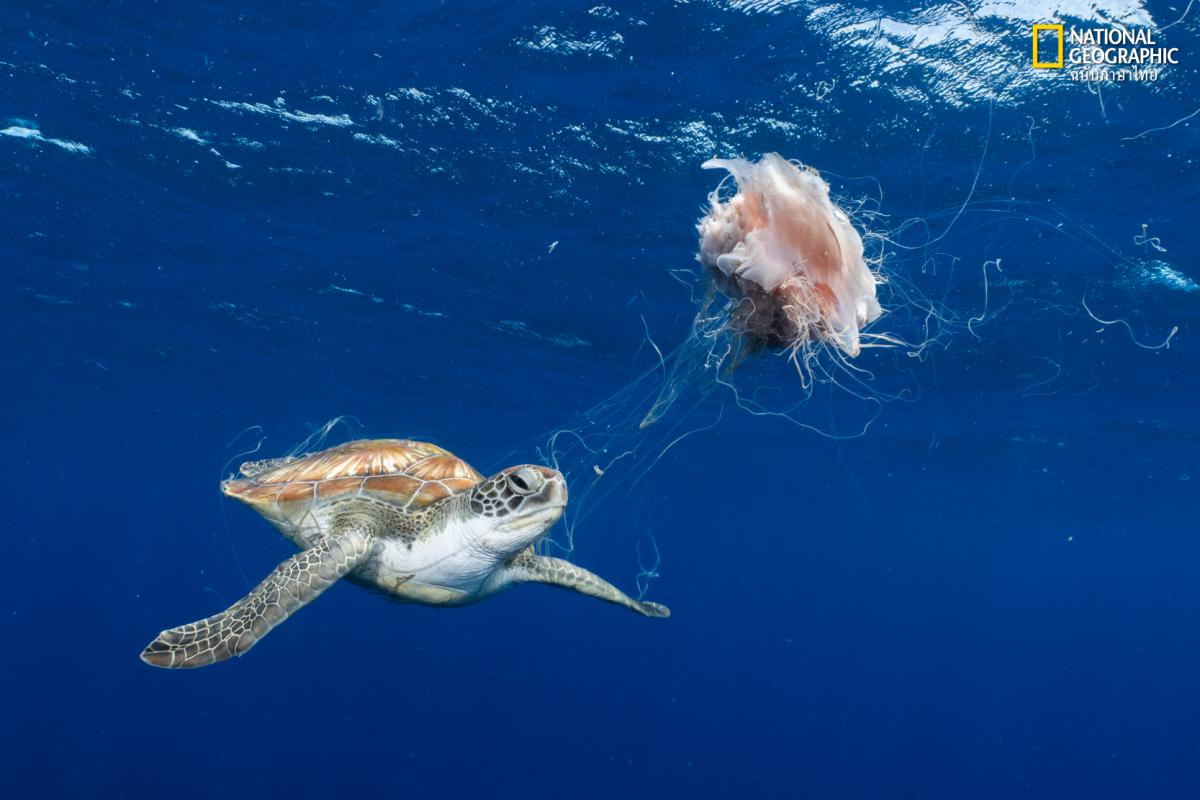
Tragically, that beauty is turning into a memory. Returning to dive at Koh Losin every year since 2021, I have noticed the once-vibrant reef suffering increasingly from coral bleaching, exacerbated by relentless human threats. One devastating incident occurred in mid-2021 when a massive 2,750-square-meter “ghost net,” discarded by reckless fishing boats, drifted down and draped over the reef. Although Navy officials and volunteer divers managed to salvage it, the 800-kilogram net crushed over 500 square meters of staghorn coral to pieces.
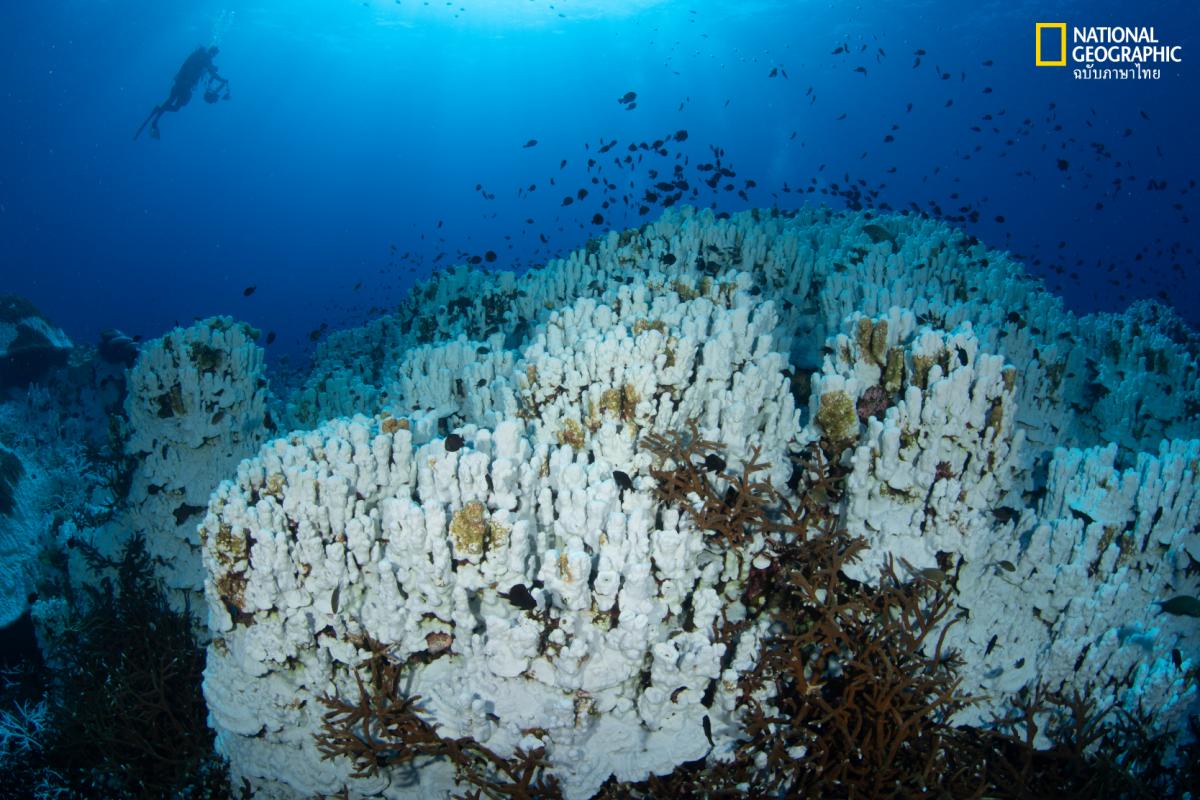
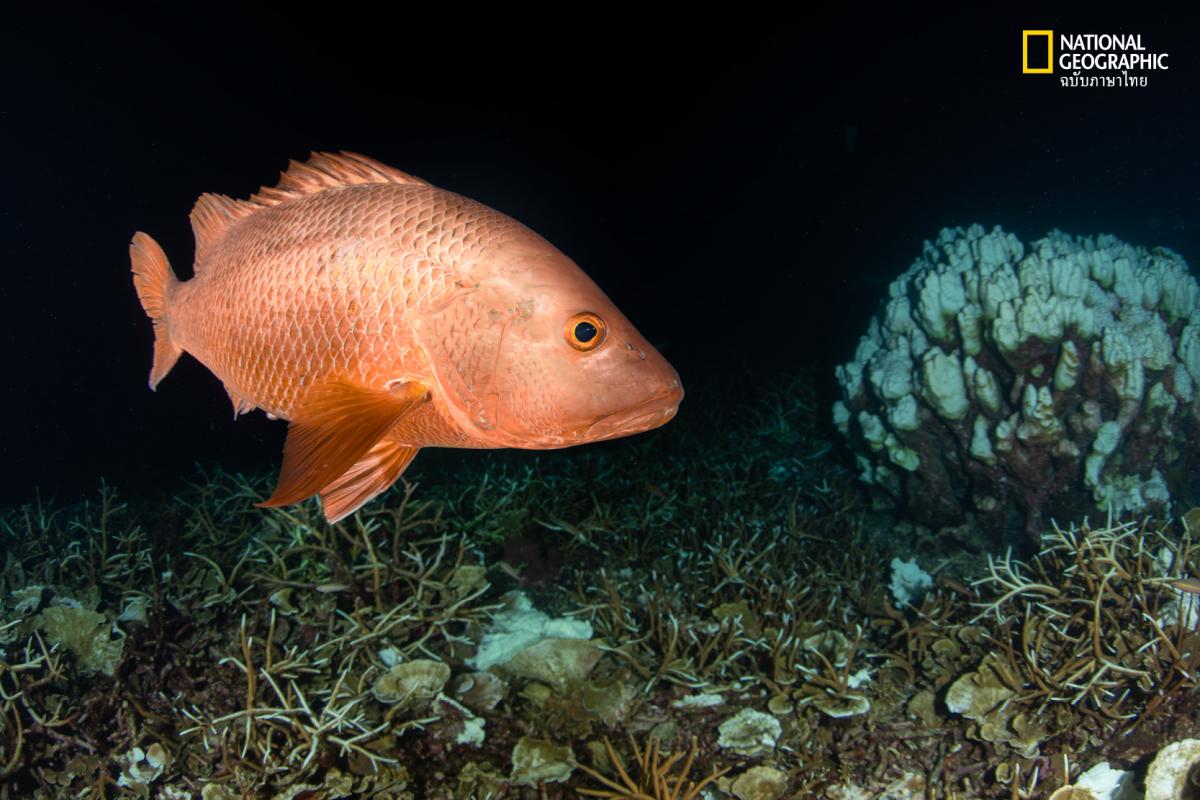
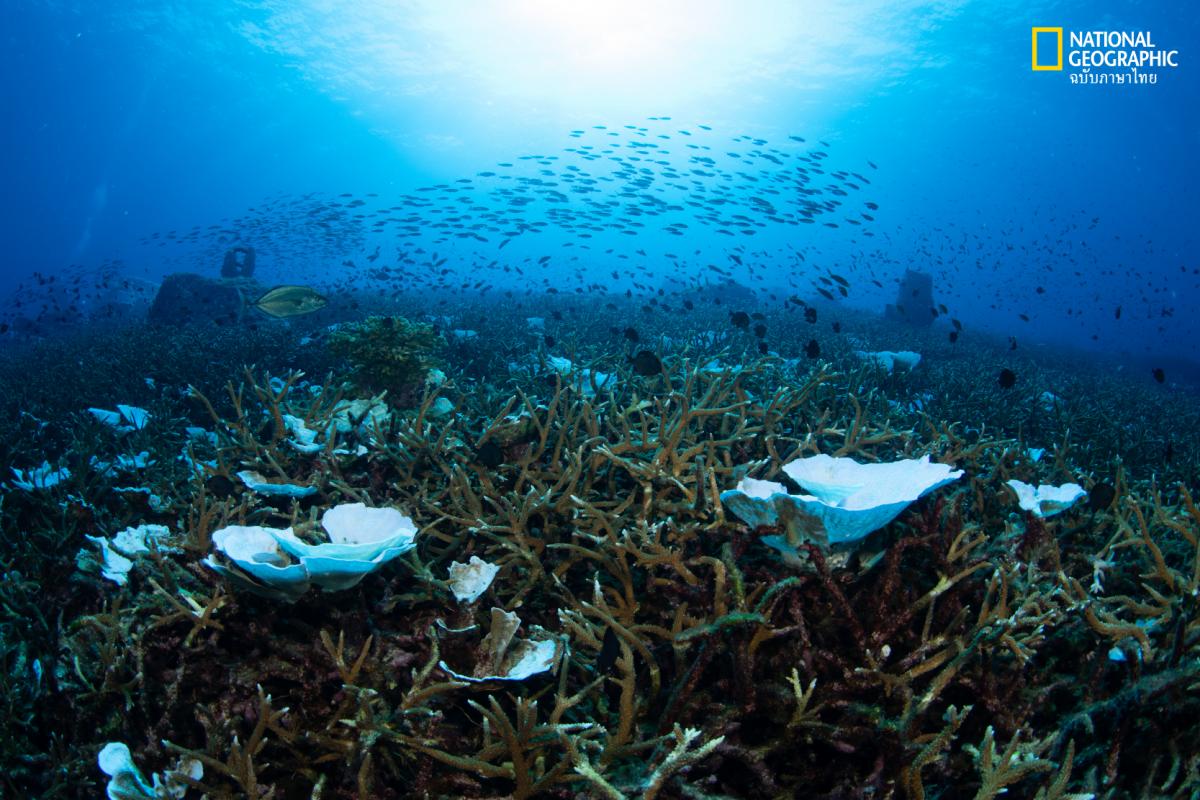
To me, Losin is not just a dive site; it is a sanctuary for my soul, a place to escape the chaos of urban life. Yet today, the passion and connection I once felt are replaced by heartbreak every time I submerge. The wonder of yesterday is slowly swallowed up, transformed into a coral graveyard that continues to expand at a devastating rate.
The underwater coral graveyards at Losin serve as a direct reminder that nowhere on Earth is safe from human greed and selfishness. If we continue to look the other way and allow nature to be continually abused, it won’t be long before this underwater paradise meets the same tragic fate as many other reefs that have collapsed before it.
Discover more Tinnapat’s work here
Story and photography by Tinnapat Netcharussaeng